
Engineering solutions built around the material, duty and plant constraints.
KEMAC reviews the application before selecting equipment. The objective is a complete operating system—not a collection of unrelated machines.
What needs to improve in your process?
Select the closest operating challenge. Each solution combines engineering review, equipment selection, controls and site integration.
Control dust emissions
Capture nuisance dust, improve housekeeping and control process-air discharge.
Review dust-control approach → 02Transfer powder reliably
Move powders or granules by vacuum or pressure while managing degradation and line losses.
Review conveying approach → 03Feed or convey mechanically
Meter, elevate or transfer materials using screws, belts, vibration and controlled discharge.
Review handling approach → 04Solve a non-standard duty
Develop purpose-built equipment where standard machinery cannot meet the process requirement.
Review custom engineering →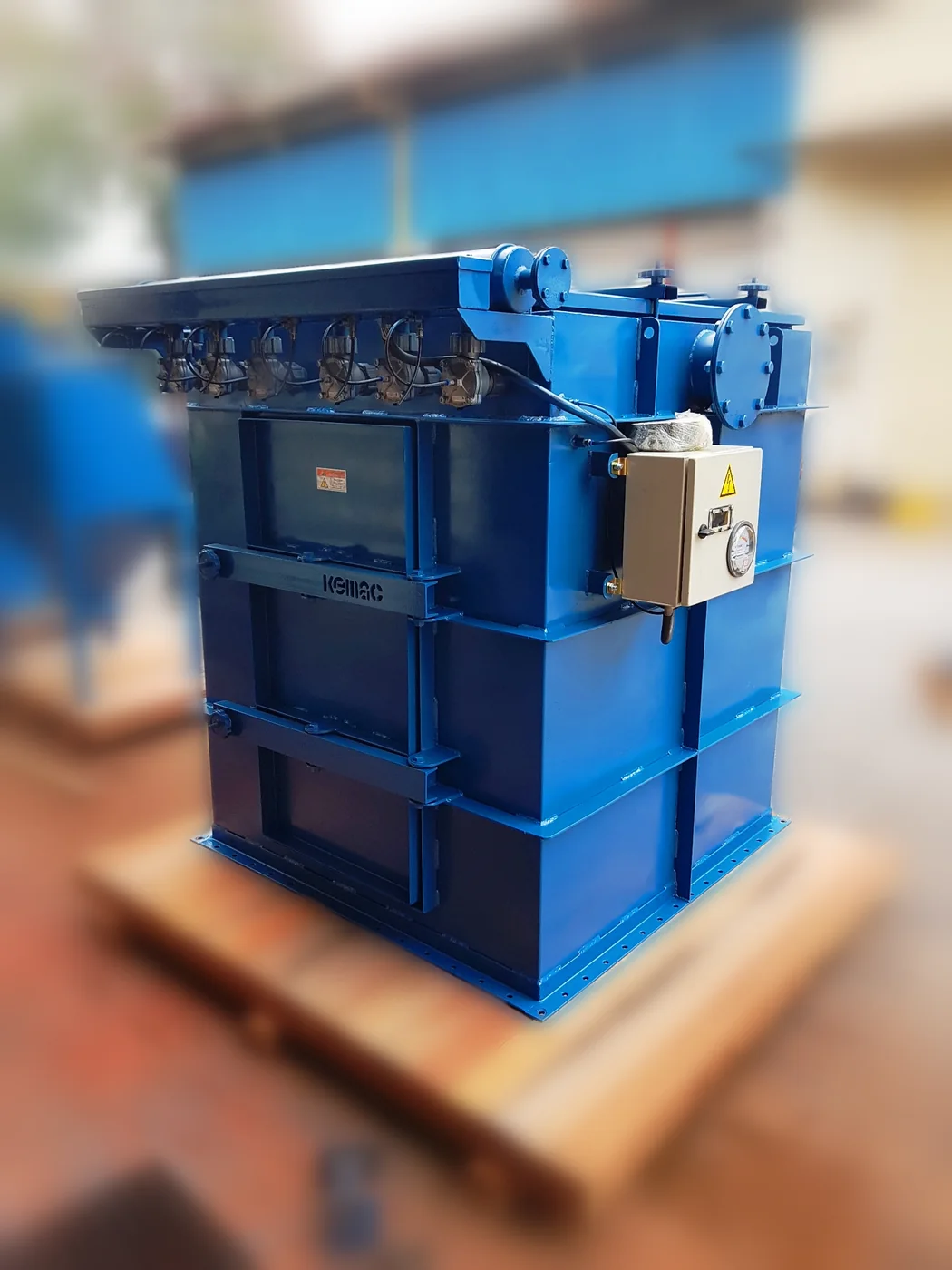
Control dust at the source and manage the complete air path.
Effective dust control depends on capture geometry, air volume, duct velocity, pressure loss, filtration area, discharge arrangement and fan duty.
Typical challenges
- Dust released during dumping or transfer
- Visible emissions from process vents
- High housekeeping load
- Filter blinding or unstable suction
KEMAC engineering scope
- Capture-point and hood review
- Airflow and pressure-loss calculation
- Collector, fan, duct and discharge selection
- Controls, installation and commissioning
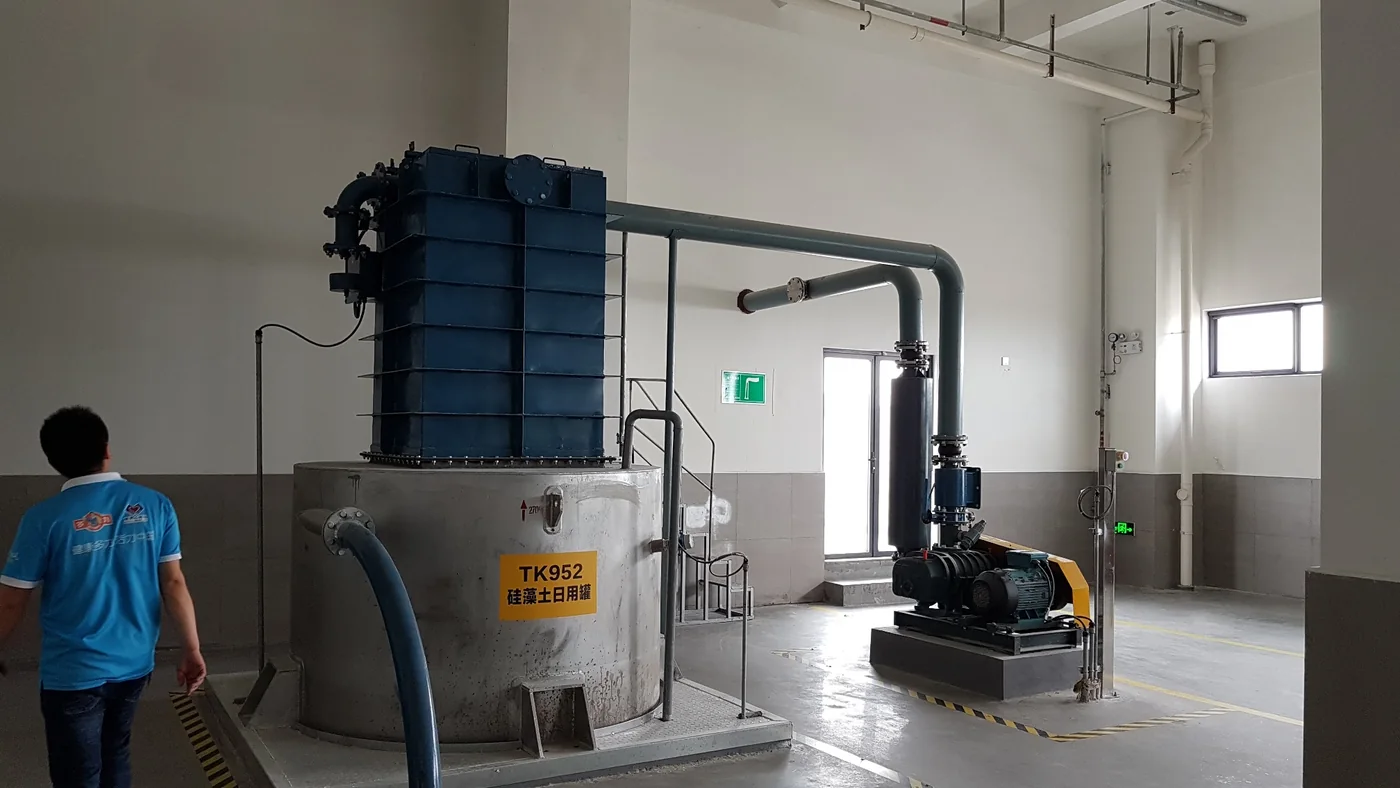
Transfer material through pipework with controlled airflow and feeding.
The material, capacity, route, elevation, pickup arrangement and acceptable product damage determine whether vacuum or pressure conveying is appropriate.
Typical challenges
- Long or complex conveying routes
- Dusty open transfer points
- Multiple pickup or discharge locations
- Product degradation or line blockage
KEMAC engineering scope
- Material and duty assessment
- Pipeline velocity and pressure review
- Feeder, receiver and blower selection
- PLC sequencing and commissioning
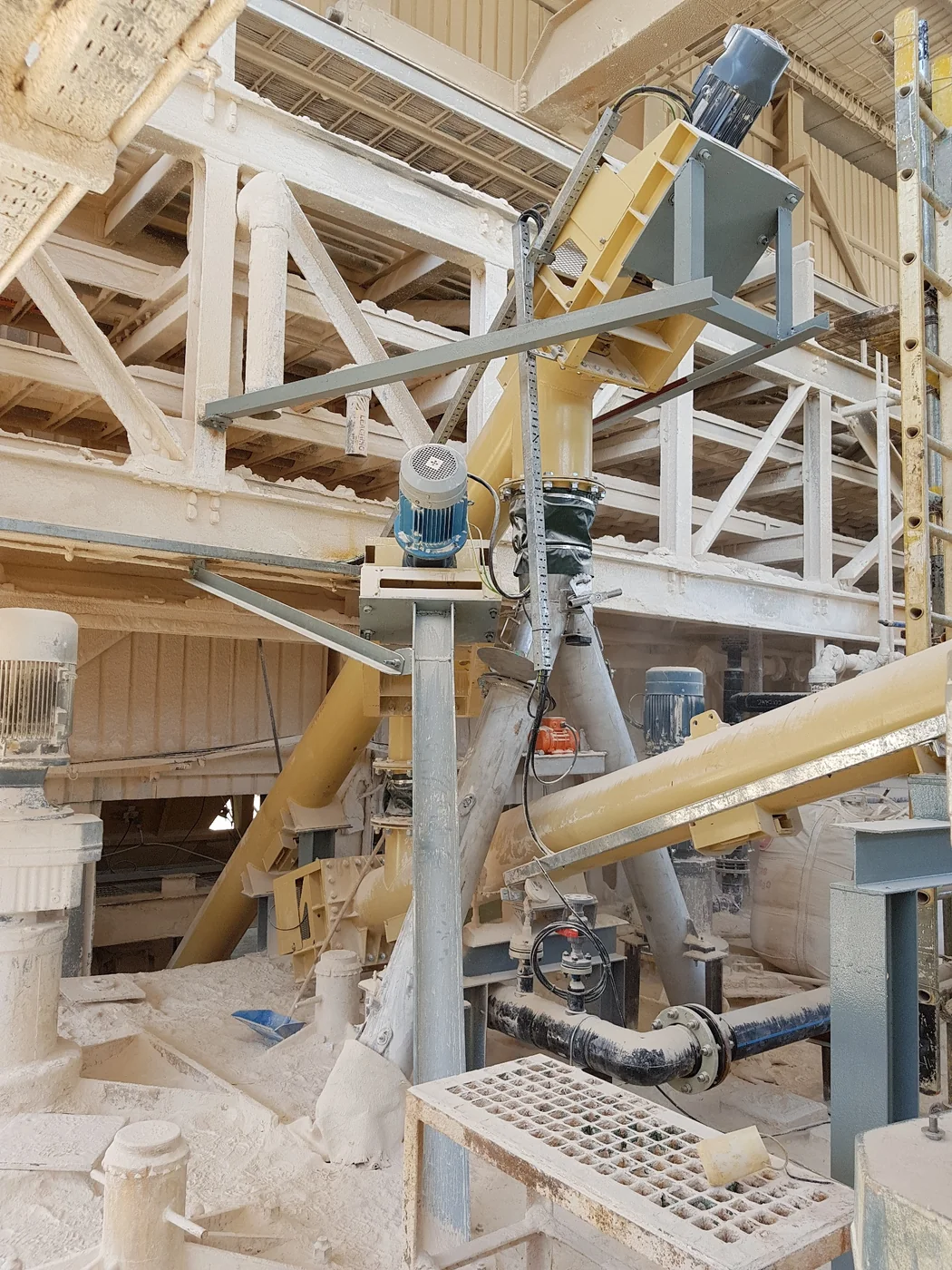
Meter, move and discharge material with a maintainable mechanical arrangement.
Mechanical conveying is often preferable where the route is short, capacity is high, product damage must be limited or precise feed control is required.
Typical challenges
- Controlled feeding from hoppers
- Horizontal or inclined transfer
- Bridging, flooding or inconsistent discharge
- Restricted plant access
KEMAC engineering scope
- Conveyor type and speed selection
- Drive and torque assessment
- Access, guarding and maintenance layout
- Integration with upstream and downstream equipment
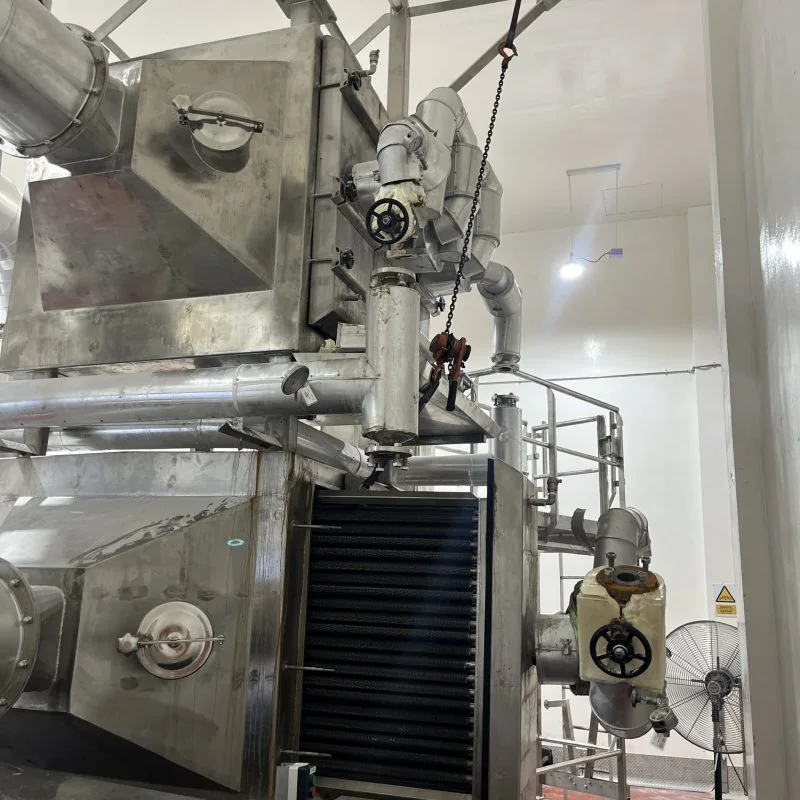
Develop the machine around the function—not the other way around.
Custom duties may require a new mechanism, unusual geometry, special materials, thermal control, automation or integration into an existing production line.
Typical challenges
- No suitable standard machine
- Restricted footprint or access
- Special hygiene or material requirements
- Combined mechanical and control functions
KEMAC engineering scope
- Concept development and 3D design
- FEA, thermal or vibration review where required
- Fabrication, assembly and workshop testing
- Site integration and performance validation
Define the duty before selecting the equipment.
Send the material, capacity, distance, elevation, temperature, moisture level, plant layout and operating constraints. KEMAC will review the application and recommend a practical system approach.